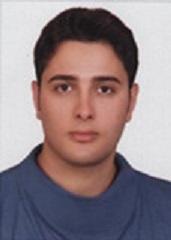
Dr. Mohammad Mehdi Ommati (Shiraz University of Medical Sciences Stem Cell and Transgenic Technology Research Centre)
Associate Professor, Henan University of Science and Technology, Luoyang, Henan · China
Editorial leadership for International Journal of Ethology
Research interests
- Sperm
- Blood Parameters; Immuno-Suppression Methods In Fertility; Reproductive Cell Culture
Biography
Dr. Mohammad Mehdi Ommati is an Associate Professor at Henan University of Science and Technology, Luoyang, Henan, China, specializing in reproductive toxicology and physiology. His research focuses on sperm and blood parameters, immuno-suppression methods in fertility, and reproductive cell culture, with extensive national and international academic experience in environmental toxicology and reproduction. He received his training at Shiraz University of Medical Sciences Stem Cell and Transgenic Technology Research Centre. Dr. Ommati has authored over 26 indexed publications, including his most-cited work on arsenic-induced ovotoxicity and autophagic pathways in murine folliculogenesis (2020), which has received 65 citations, reflecting his significant contributions to understanding the mechanisms of reproductive toxicity.
Selected publications
researchgate.net/profile/Mohammad_mehdi_Ommati2
Considering IJE for your work?
This journal is guided by Dr. Mohammad Mehdi Ommati (Associate Professor, Henan University of Science and Technology, Luoyang, Henan) and a peer-review board of practising researchers. Open access, author-retained copyright (CC BY), and a clear editorial process.